On trend: intermittent fasting

On trend: intermittent fasting

Fasting is an ancient method of ridding the body of toxins while boosting metabolism and cell renewal. In addition to traditional therapeutic fasting, intermittent fasting is becoming increasingly popular - because it is much easier to incorporate into everyday life!
02.04.2024
Eine Frau meditiert sitzend mit geschlossenen Händen in einem wohnlichen Raum voller Pflanzen.

The 16:8 method

Most people find the 16:8 method the easiest. After all, we fast every night while we sleep anyway. In the first eight hours after eating, the body is busy digesting and absorbing nutrients. It is only after these eight hours that the actual fasting begins. So it's about extending the period of not eating. If you limit the time span for your meals to eight hours a day, you maintain the state of fasting and your inner fat-burning machine keeps running. Exactly when you enter the fasting phase can vary from person to person. As the body is already in fasting mode in the morning, many people simply skip breakfast or push it back. So, for example, you don't have breakfast until 11 am and eat a late lunch around 4 pm. Or you have lunch at 12 noon and an early dinner at 6 pm.

Eine Frau sitzt gemütlich auf dem Sofa, trinkt warmes Getränk, umgeben von Pflanzen.

Individual and flexible

You have to find out for yourself which interval fasting works best for you. The important thing is to really only eat for a period of eight hours. During this time, you can eat whatever you want as normal. However, you should not eat larger portions than usual. And of course, a balanced, healthy and plant-based diet is generally recommended - especially if you want to lose weight with intermittent fasting. Also make sure you take at least a four-hour break between meals to prevent your blood sugar levels from rising. During the fasting phase, you can drink water and all types of tea, and coffee is also allowed - provided you drink it without milk and sugar. Do you find it difficult to fast every day? Invited to a party at the weekend? That's fine. Just one or two days a week will have a long-term effect.

Zwei Getränke mit Eiswürfeln stehen auf einem Tisch neben Zitronenhälften und Datteln.

What happens during intermittent fasting

During a diet and also during therapeutic fasting, the body adapts to the reduced energy intake and reduces its consumption. This often leads to the dreaded yo-yo effect afterwards: you quickly put on weight again because your basal metabolic rate remains low even after the diet. This does not happen with intermittent fasting because the body is only temporarily deprived of food. However, the fasting periods are long enough for the body to switch to fat-burning mode. This also triggers a cellular detoxification program , known as autophagy: enzymes remove useless cells or recycle them. This body's own self-cleansing program prevents inflammation and therefore many diseases.

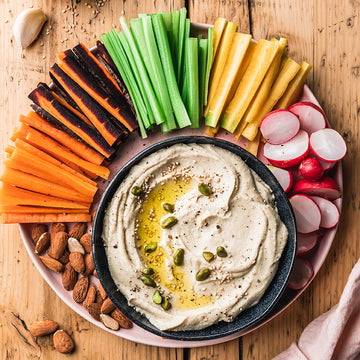
Ein Teller mit Hummus und Gemüse-Sticks auf einem Holztisch arrangiert.

The most common errors

Intermittent fasting is easy to implement, but you should avoid these rookie mistakes, especially if you want to lose weight:

  • Starting from zero to one hundred: If you have never fasted before or have a stressful everyday life, it can be too strenuous for your body. So take it slowly, e.g. only fast for 12 hours at first.
  • You eat too much and unhealthily: If you eat all the calories you've saved over the rest of the day during the permitted eating phases, especially in the form of pizza, burgers and sweets, you won't lose weight with intermittent fasting either. Make sure you eat a balanced, healthy diet.
  • You eat too little: On the other hand, if you eat too little during the eating phase, your body switches to "starvation mode" and stores calories as an emergency reserve. Eat at least 1200 calories per day over the eight hours.
  • You are too impatient: If you want to give up after a week because nothing is happening on the scales, practise patience - intermittent fasting is not a crash diet. Give your body two weeks to get used to the new diet.
Risotto auf Teller, garniert mit Mandeln und Erbsen, auf Holztisch serviert.

Why and for whom intermittent fasting is healthy

Therapeutic and intermittent fasting has many positive effects. Here are the most important ones: With fasting

  • You lose weight without hunger
  • Keeps your blood sugar level stable
  • Helps your body process sugar and fat
  • You lose body fat
  • Increase your brain function and mood
  • Form fewer free radicals and less inflammationin the body, which slows down the ageing process

Basically, fasting is healthy for most of us and intermittent fasting in particular is also relatively "gentle". Nevertheless, diabetics, people with low blood pressure or chronic illnesses should always consult their doctor beforehand. The same applies to pregnant and breastfeeding mothers, children and teenagers, very old people, people who are underweight or have eating disorders.

Intermittent fasting shows the way: Pleasure and balance can be perfectly combined. Why not try it now and experience the trend for yourself?